
Unpacking Tip Toe: A Deep Dive into the Dark Side of Modern British Society

When a television series stays with you long after the screen goes dark, it has done something right. Tip Toe, Russell T Davies’s latest psychological thriller, is one such show. Set in a quiet Manchester suburb, it unpacks the tensions and fears lurking beneath everyday life in Britain today. This blog shares my personal reflections on the series, what it stirred in me, and why it deserves a wider conversation.
If you have seen Tip Toe, I invite you to share your thoughts. If not, this might encourage you to watch and form your own view.

The Story That Grips You From the Start
Tip Toe begins with a shocking image: Leo Struthers, a gay bar owner, hanging from a lamppost outside his home. This grim flash-forward sets the tone for a story that rewinds ten days to reveal how a seemingly small act a neighbourly favour of lending a spare key unfolds into tragedy.
Leo’s neighbor, Clive Goss, is a troubled electrician and father of two. Their relationship starts with trust but soon becomes strained by fear, misunderstanding, and external pressures. The series explores how personal fears mix with wider social tensions, leading to violence that feels both shocking and inevitable.
Themes That Reflect Real-World Issues
What makes Tip Toe powerful is its refusal to shy away from difficult topics. The show forces viewers to confront realities that many prefer to ignore:
Anti-LGBTQ+ hostility
The series portrays how hateful rhetoric can escalate into real violence. Leo’s experience is a stark reminder of the dangers faced by LGBTQ+ individuals, even in modern, supposedly tolerant societies.
Online radicalisation
Clive’s descent into hostility is partly fueled by online groups that spread fear and misinformation. This reflects a growing problem in many communities, where digital spaces become breeding grounds for extremism.
Mob mentality and fear
The show captures how people gain dangerous confidence when they believe they can act without consequences. It also shows how fear of the ‘other’ can fracture communities and families.
Family pressures and personal struggles
Clive’s role as a father and husband adds complexity to his character. His personal fears and frustrations make his actions more understandable, though not excusable.
Why Manchester Matters in This Story

Manchester is not just a backdrop but a character in its own right. The city’s diverse population and history of social change provide a rich setting for the story. The contrast between the vibrant Canal Street, known for its LGBTQ+ community, and the quieter residential streets highlights the divisions and connections within modern British society.
The choice of location grounds the story in a real place, making the social issues feel immediate and urgent.
The Characters: Complex and Uncomfortable
Russell T Davies is known for creating characters who feel real and flawed. In Tip Toe, Leo and Clive are not heroes or villains but people caught in circumstances that reveal their fears and prejudices.

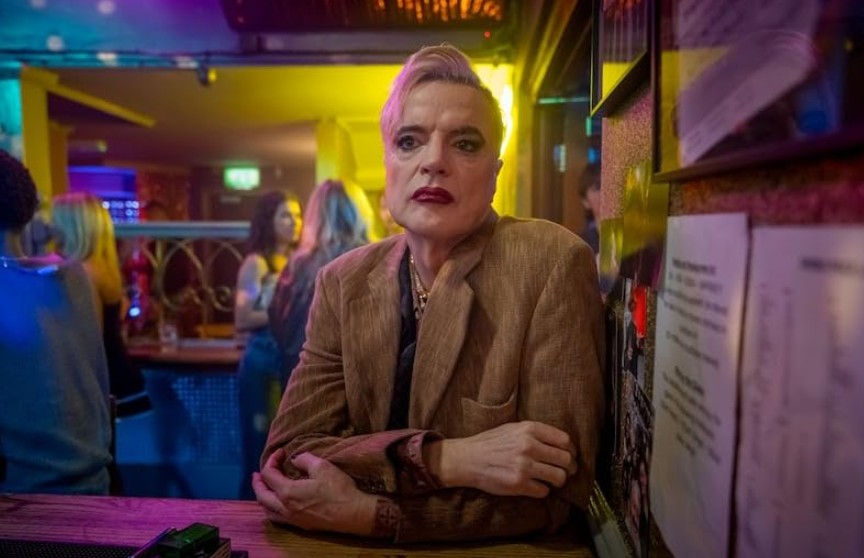
Leo Struthers
As a gay bar owner, Leo represents a community often targeted by hate. His openness contrasts with the fear around him, making his tragedy all the more poignant.

Clive Goss
Clive’s struggles with his identity as a father and man in a changing world make his actions understandable, though deeply troubling. His journey shows how fear and anger can spiral out of control.
The series avoids simple moral judgments, instead inviting viewers to consider the complexity of human Behaviour.
The Role of Social Media and Online Spaces
Tip Toe highlights how online radicalisation plays a key role in escalating tensions. Clive’s exposure to extremist content online feeds his fears and justifies his hostility. This mirrors real-world concerns about how social media can amplify division and hate.
The show encourages viewers to think critically about the information they consume and the impact of online communities on real-life actions.
What Makes Tip Toe Different from Other Thrillers
Unlike many thrillers that focus on action or mystery, Tip Toe is a slow-burning exploration of social dynamics. It uses tension and atmosphere to build a sense of unease rather than relying on shock tactics.
The series also stands out for its focus on contemporary social issues, making it more than just entertainment. It asks difficult questions about identity, community, and the consequences of fear.

The Impact of Tip Toe on British TV and Society
Tip Toe has sparked conversations about the realities of prejudice and violence in Britain today. It challenges viewers to look beyond headlines and statistics to the human stories behind social tensions.
The series also shows the power of television to reflect society’s challenges and encourage dialogue. It reminds us that good TV can be a catalyst for understanding and change.
Final Thoughts
Tip Toe is a gripping, unsettling series that stays with you. It shines a light on the dark corners of modern British society, forcing us to confront uncomfortable truths about fear, prejudice, and violence.
If you watch it, expect to be challenged. If you haven’t yet, consider giving it a chance. It’s a story that deserves to be seen and discussed.
What did Tip Toe make you think about?
How do you see the issues it raises playing out in your community?
Sharing your perspective can help keep the conversation alive.


Comments